By clicking “Accept All Cookies”, you agree to the storing of cookies on your device to enhance site navigation, analyze site usage, and assist in our marketing efforts. View our Privacy Policy for more information.
GLP-1s, Peptide Therapies, and Sustainable Weight Loss: What Actually Works Long Term
GLP-1 weight loss management works best when paired with strength training, proper nutrition, and healthy habits to preserve muscle and support long-term results.
By
March 18, 2026

Related

Medications like GLP-1s and other peptide therapies are becoming more common in conversations around weight loss. For many people, they can be a helpful tool. But they are not a shortcut to lasting results.
At ThriveFit, the members who see the most sustainable outcomes combine these tools with consistent nutrition, strength training, and daily habits.
What Are GLP-1s and Peptide Therapies?
GLP-1 medications help regulate appetite, slow digestion, and improve blood sugar control. For some individuals, this can make it easier to reduce calorie intake and lose weight.
On average, users may lose 15 to 20 percent of their body weight over 12 to 16 months. However, that weight loss is not purely fat.
Research shows that for every 10 pounds lost on a GLP-1, approximately 2 to 4 pounds may come from lean muscle mass.
Peptide therapies work in different ways depending on the compound. Many are aimed at improving metabolism, recovery, or fat loss.
These tools can support progress, but they do not replace the fundamentals.
Why Weight Loss Alone Isn’t the Goal
Losing weight without a plan often leads to:
- Muscle loss
- Slower metabolism
- Decreased strength
- Difficulty maintaining results long term
Loss of muscle has real consequences. It lowers your resting metabolic rate, meaning you burn fewer calories at rest. This makes it harder to maintain weight loss over time.
The focus should shift toward body composition and long-term health.
Measuring Progress the Right Way
A common mistake, especially when using GLP-1s, is relying only on the scale.
At ThriveFit, we use InBody scans to measure body composition. This shows how much weight is coming from body fat versus lean muscle.
This matters because rapid weight loss without proper training and nutrition can lead to muscle loss. Our members receive complimentary InBody scans to track progress and guide adjustments to their strength training, nutrition, and lifestyle habits.
The goal is to reduce body fat while maintaining or building muscle.
Why Strength Training Is Essential
Strength training provides a clear signal to your body to preserve muscle.
Research shows:
- Resistance training 2 to 3 times per week helps maintain or build muscle during weight loss
- Combining GLP-1 use with exercise leads to greater total weight loss, around 16.9 kg, compared to medication alone at 13.7 kg or exercise alone at 11.2 kg
- GLP-1 use without exercise can reduce bone mineral density, while combining it with training helps preserve bone health
Strength training also provides a measurable sense of progress beyond the scale. Improvements in strength, range of motion, and balance give clear feedback that your body is adapting and improving. This creates a more reliable and sustainable source of motivation than relying on body weight alone.
How to Maximize Results If You’re Using a GLP-1
If you choose to use a GLP-1 or peptide therapy, the goal should be to use that period to build better habits.
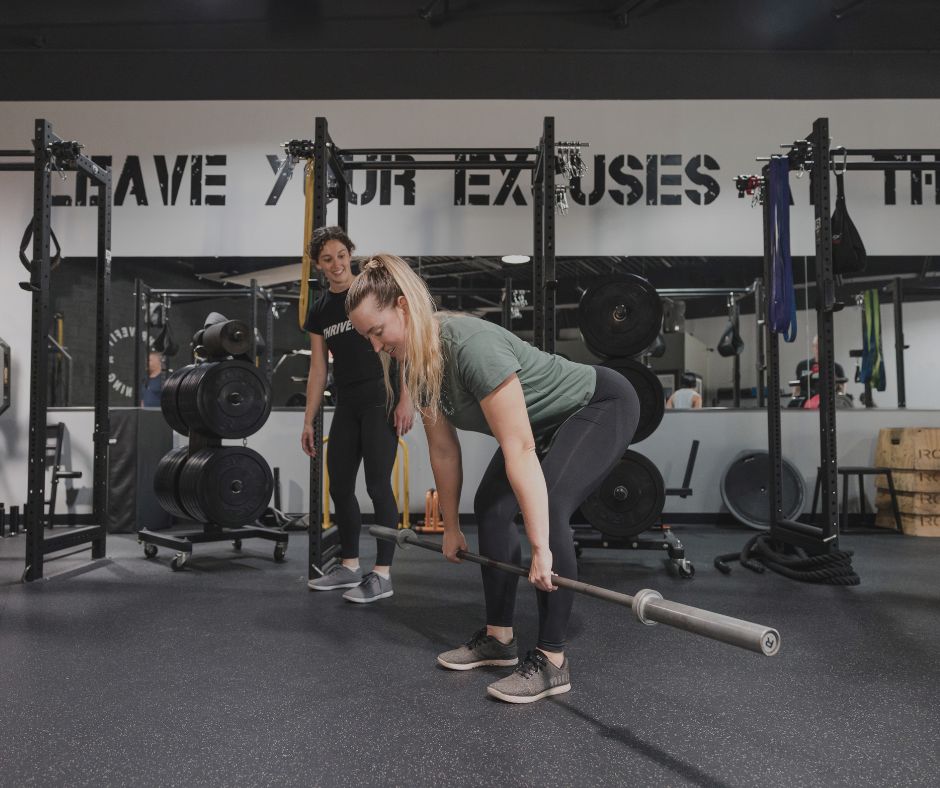
1. Prioritize Strength Training
Resistance training supports:
- Lean muscle retention
- Metabolism
- Strength and function
- Bone health
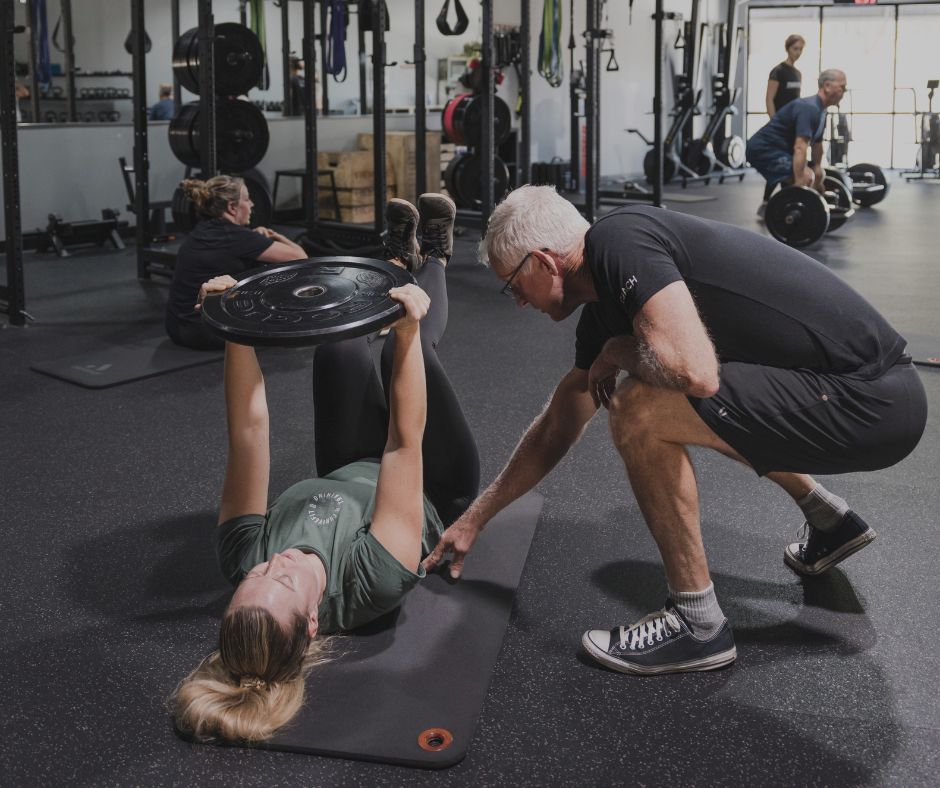
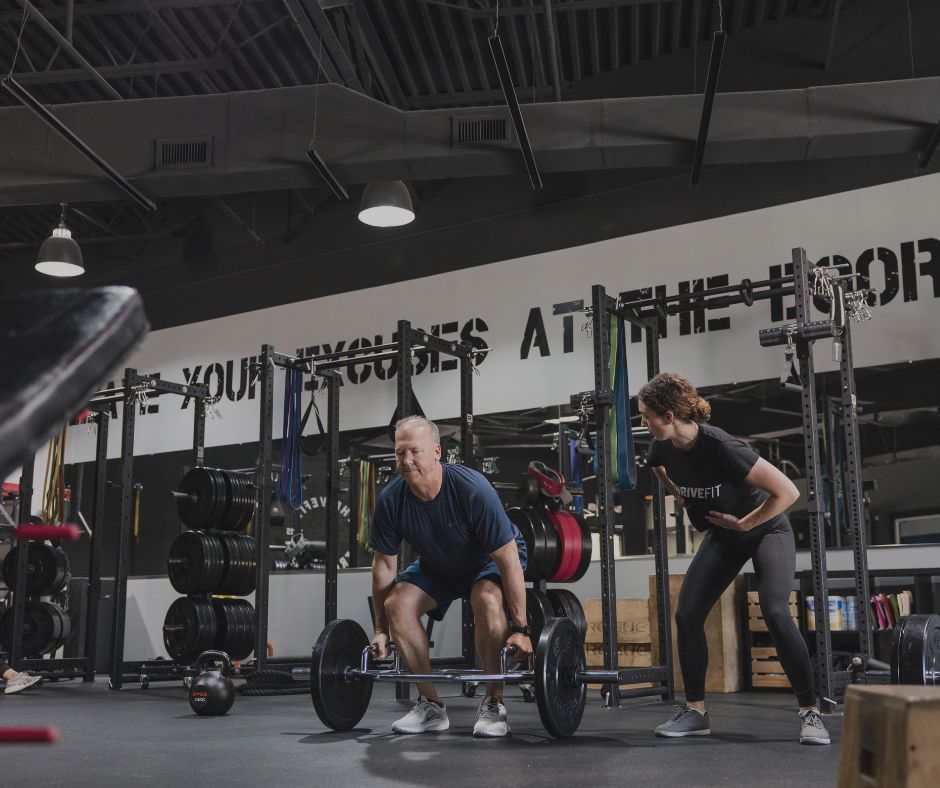
At ThriveFit, structured strength training helps ensure muscle is maintained or improved as body weight changes. We also track your progress so you can realize firsthand your progress in the gym.
2. Focus on Protein and Nutrition Quality
Appetite suppression can lead to under-eating protein.
To support muscle and recovery:
- Prioritize protein at each meal
- Focus on whole, nutrient-dense foods
- Maintain hydration
3. Build a Consistent System
Medications may reduce hunger, but they do not create structure.
Sustainable progress comes from:
- Consistent training
- Structured programming
- Accountability
- Support
The Risk of Relying on Medication Alone
An important consideration is what happens after stopping the medication.
Studies show that individuals often regain 60 percent or more of the weight within a year if habits have not changed.
Those who combine medication with exercise and proper nutrition are more likely to maintain or continue improving their results.
The ThriveFit Approach: Partners in Long-Term Change
At ThriveFit, the approach is individualized. Whether someone is using a GLP-1 or not, the focus remains consistent:
- Progressive strength training
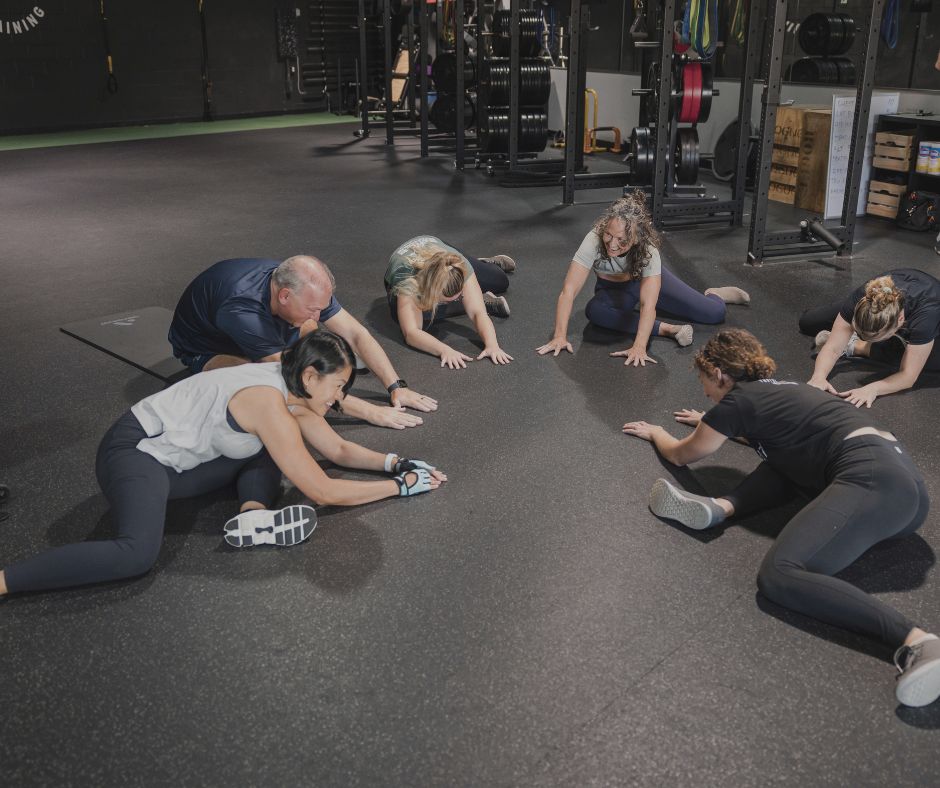
- Coaching and accountability
- Ongoing progress tracking with InBody
- Sustainable habit development
- A supportive community
Long-term results come from consistent behaviors and structured support.
Tools Can Help, Habits Drive Results
GLP-1s and peptide therapies can be useful tools when used within a structured approach.
The objective is to:
- Build strength
- Maintain muscle
- Support metabolism
- Stay active long term
Combining effective nutrition, consistent strength training, and objective tracking leads to sustainable progress.
At ThriveFit, the focus is on building that structure and supporting it over time. Learn how we can help you achieve your goals by booking a consult with us.





.jpg)
.jpg)
.jpg)
.jpg)
.jpg)
.jpg)
.jpg)
.jpg)
.jpg)
.jpg)
.jpg)
.jpg)
.jpg)
.jpg)
.jpg)
.jpg)
.jpg)

.jpg)
.jpg)
.jpg)
.jpg)
.jpg)
.jpg)
.jpg)
.jpg)
.jpg)
.jpg)
.jpg)
.jpg)
.jpg)
.jpg)
.jpg)
.jpg)
.jpg)
.jpg)
.jpg)
.jpg)
.jpg)
.jpg)
.jpg)
.jpg)
.jpg)
.jpg)
.jpg)
.jpg)
.jpg)
.jpg)
.jpg)
.jpg)
.jpg)
.jpg)
.jpg)
.jpg)
.jpg)
.jpg)
.jpg)
.jpg)
.jpg)
.jpg)
.jpg)
.jpg)
.jpg)
.jpg)
.jpg)
.jpg)
.jpg)
.jpg)
.jpg)
.jpg)
.jpg)