By clicking “Accept All Cookies”, you agree to the storing of cookies on your device to enhance site navigation, analyze site usage, and assist in our marketing efforts. View our Privacy Policy for more information.
Strength Training During and After Menopause: Why It Matters
Discover why strength training during and after menopause is essential for maintaining muscle, improving bone density, and supporting long-term health and confidence.
By
March 4, 2026
.jpg)
Related

Menopause changes a woman’s body, but it doesn’t mean you have to accept weakness, weight gain, or declining energy as your new normal.
In fact, this phase of life is when strength training becomes more important than ever.
At ThriveFit, we work with many women in their 40s, 50s, and 60s who want to feel strong, capable, and confident in their bodies. The key isn’t extreme dieting or endless cardio. It’s smart, progressive fitness built around muscle and bone health.
What Happens to the Body During Menopause?
As estrogen levels decline, several changes occur:
- Decreased muscle mass
- Slower metabolism
- Increased abdominal fat storage
- Reduced bone density
- Higher risk of osteoporosis
- Changes in sleep and recovery
Without resistance training, women can lose up to 3–8% of muscle mass per decade, and that rate accelerates during and after menopause.
It's not all doom and gloom. Here’s the empowering part: muscle and bone are highly responsive to strength training at any age.
Why Bone Density Is “The Craze” Right Now
If you’ve been hearing more about bone density lately, you’re not imagining it.
With rising awareness around osteoporosis and longevity, women are realizing that preventing fractures and maintaining independence later in life starts now. Bone density testing (DEXA scans) has become more common, and conversations around lifting weights for bone health are finally going mainstream.
Here’s why:
Bones respond to load.
When you lift weights, your muscles pull on your bones. That stress signals your body to maintain (and even improve) bone density.
Walking is great for general health. But to truly support bone health, you need:
- Resistance training
- Progressive overload
- Impact or load-bearing exercises (when appropriate, we will always scale to your level)
Our goal is to build a body that stays resilient through aging, not deny it.
Why Strength Training Is Essential During and After Menopause
Strength training helps:
- Preserve and build lean muscle
- Improve insulin sensitivity
- Support metabolic health
- Increase bone density
- Improve balance and coordination
- Reduce risk of falls and fractures
- Boost confidence and mental health
At our Ponte Vedra gym, we focus on strength training that supports long-term health, not quick fixes. If an exercise does not support longevity, we don't do it. Simple as that. We take our role in getting you stronger seriously, and we can't do be successful if you are burnt out or getting injured.
Getting Back Into a Strength Training Routine: What to Focus On
If you’re returning to fitness during or after menopause, here’s what matters most:
1. Lift Heavy (Progressively)
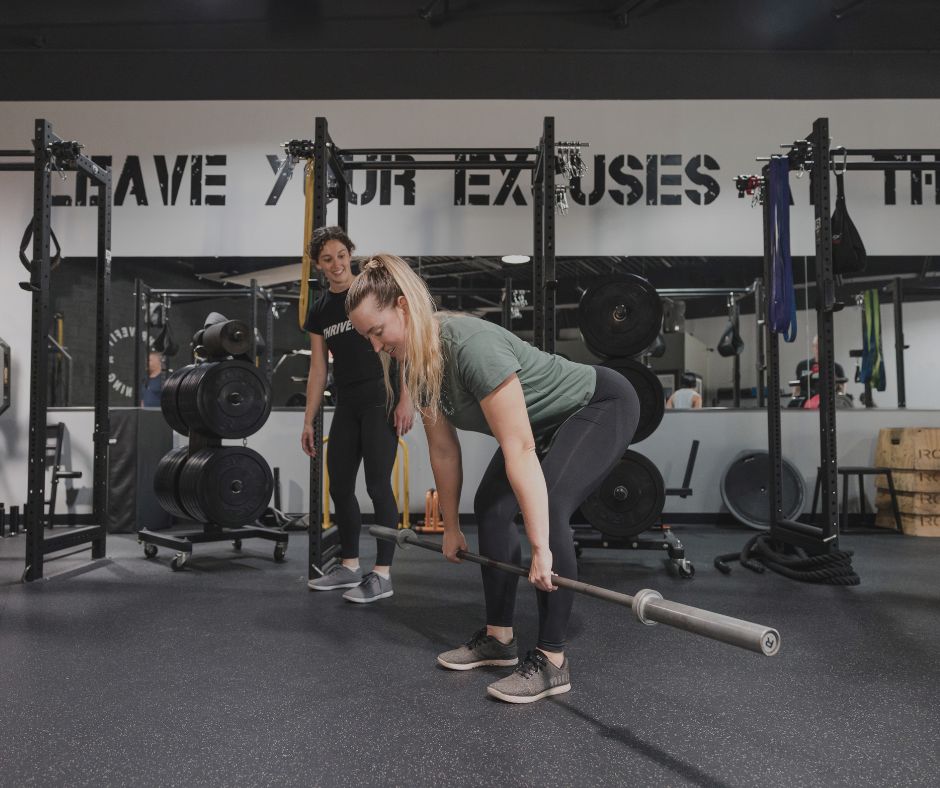
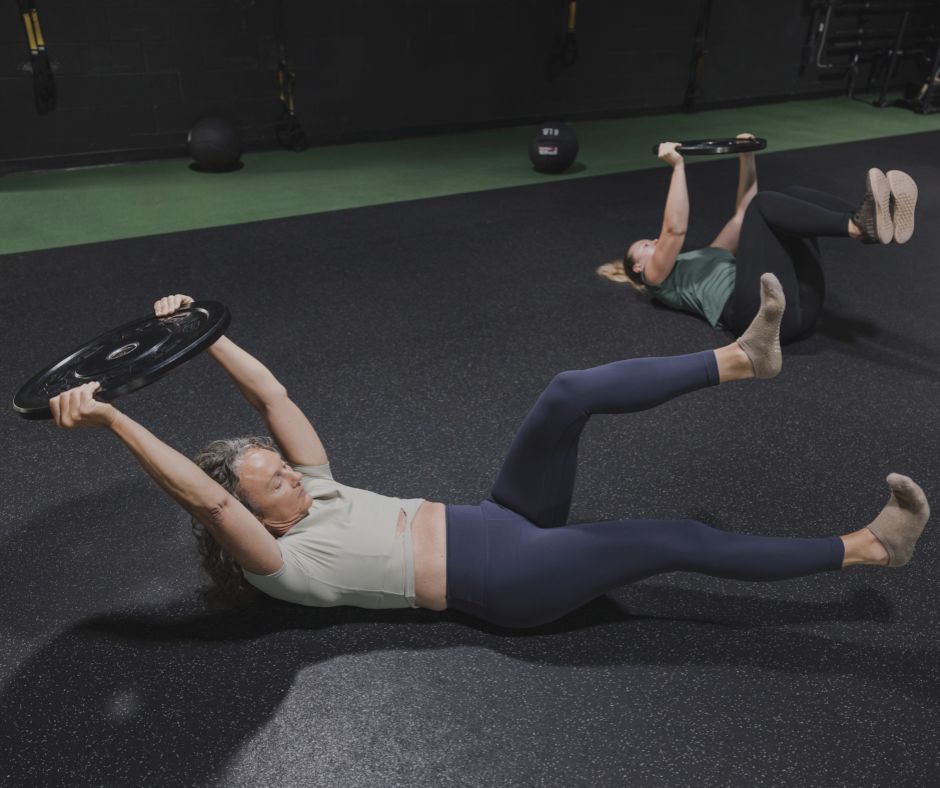
Many women have been told to stick to light weights. But bone and muscle respond best to meaningful resistance.
“Heavy” is relative, it simply means challenging for you with proper form.
Focus on:
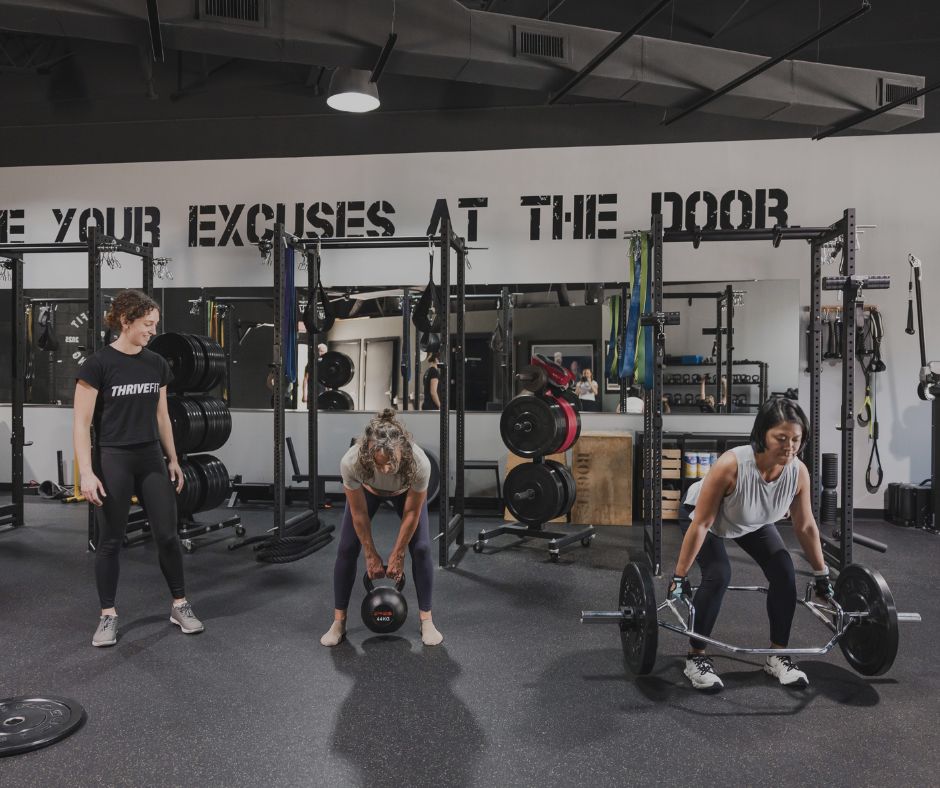
- Squats
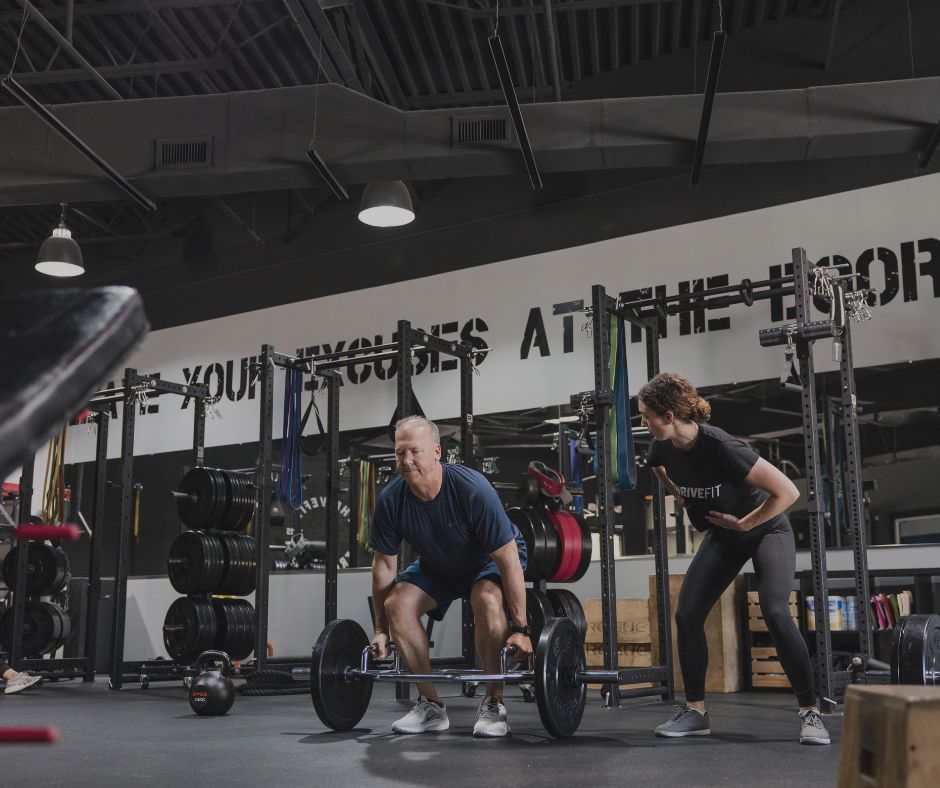
- Deadlift patterns
- Pressing movements
- Rows
- Loaded carries
These compound lifts stimulate both muscle growth and bone adaptation.
2. Prioritize Recovery
Hormonal shifts can affect sleep and recovery. More exercising doesn't necessarily mean better.
Train 2–4 days per week with intention, allow rest days, and fuel properly with protein. If you train with us, we help you with your macros and protein targets to make sure you're recovering well and feeling good.
3. Train Balance & Stability
Fall prevention becomes critical as we age. Incorporating:
- Single-leg work
- Core stability
- Controlled tempo movements
helps maintain coordination and confidence.
4. Don’t Skip Mobility
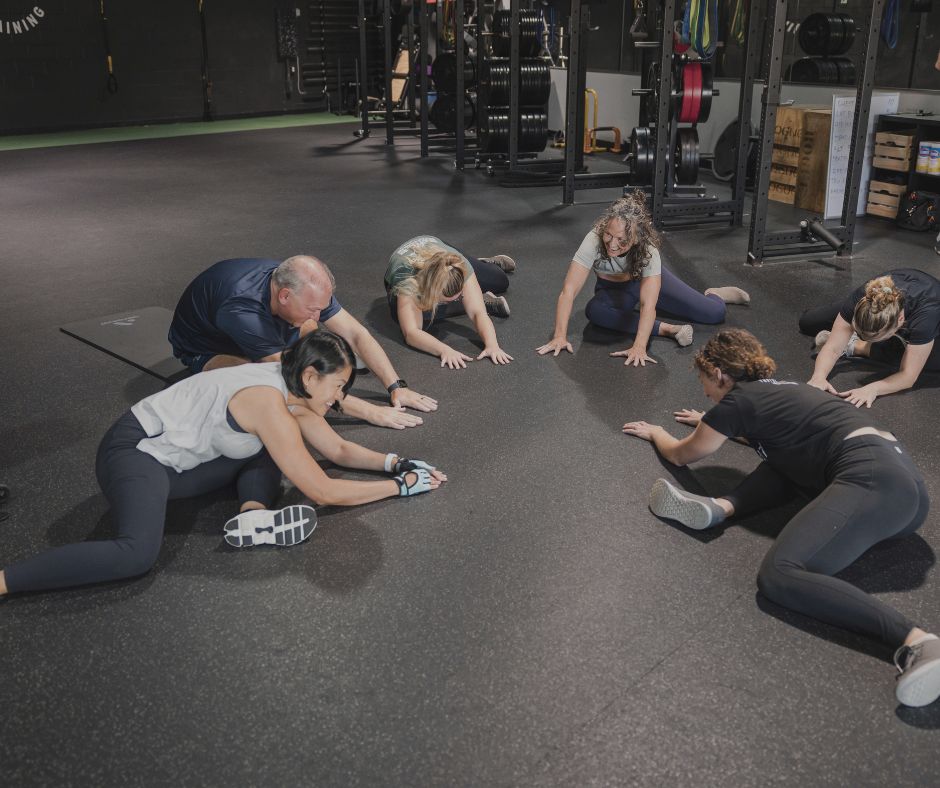
Joint stiffness increases during menopause. Maintaining hip, thoracic spine, and shoulder mobility supports safe lifting and pain-free movement.
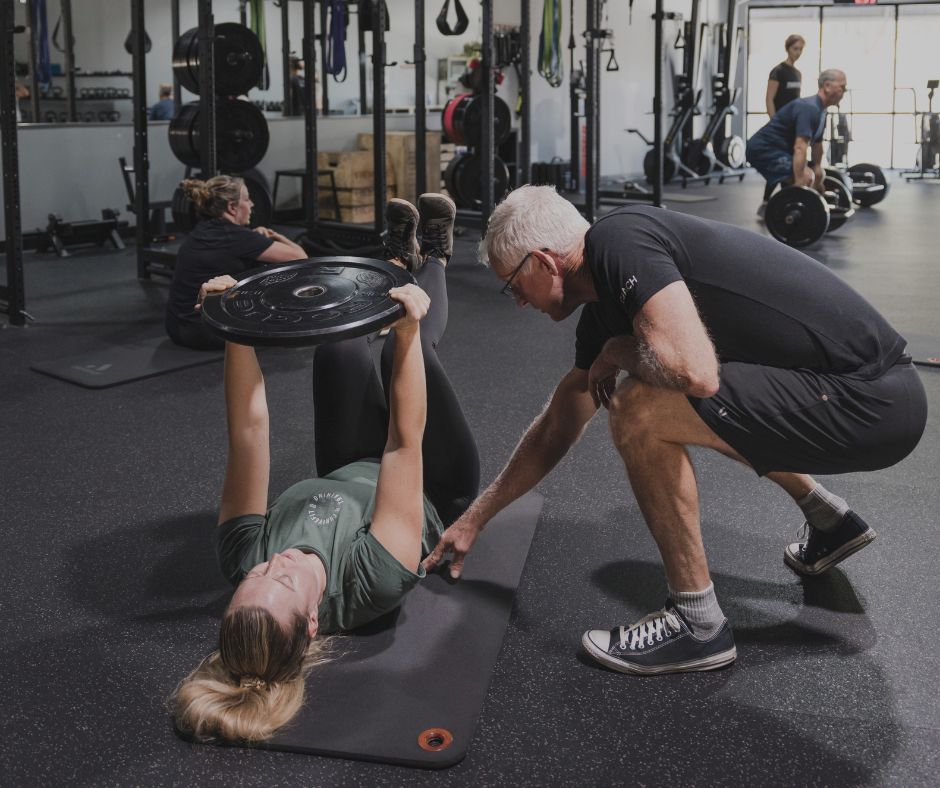
5. Get Coaching
Proper programming and form matters. Structured personal training or small group strength training ensures you’re progressing safely and effectively.
This Is Your Strongest Chapter
Let's use this phase of life as the beginning of intentional strength.
When women commit to progressive strength training, we see incredible transformations: better posture, improved energy, increased bone density scores, and a renewed sense of capability.
At ThriveFit, we believe strength is the foundation for independence, longevity, and living fully.
If you’re ready to train in a way that supports your future self, we’re here to guide you every step of the way. Give us a call or book a consult to learn more about what strength training program is the best fit for you.




.jpg)
.jpg)
.jpg)
.jpg)
.jpg)
.jpg)
.jpg)
.jpg)
.jpg)
.jpg)
.jpg)
.jpg)
.jpg)
.jpg)
.jpg)
.jpg)

.jpg)
.jpg)
.jpg)
.jpg)
.jpg)
.jpg)
.jpg)
.jpg)
.jpg)
.jpg)
.jpg)
.jpg)
.jpg)
.jpg)
.jpg)
.jpg)
.jpg)
.jpg)
.jpg)
.jpg)
.jpg)
.jpg)
.jpg)
.jpg)
.jpg)
.jpg)
.jpg)
.jpg)
.jpg)
.jpg)
.jpg)
.jpg)
.jpg)
.jpg)
.jpg)
.jpg)
.jpg)
.jpg)
.jpg)
.jpg)
.jpg)
.jpg)
.jpg)
.jpg)
.jpg)
.jpg)
.jpg)
.jpg)
.jpg)
.jpg)
.jpg)
.jpg)
.jpg)