By clicking “Accept All Cookies”, you agree to the storing of cookies on your device to enhance site navigation, analyze site usage, and assist in our marketing efforts. View our Privacy Policy for more information.
Strength Training After 50: Why It’s the #1 Habit for Healthy Aging
Strength training after 50 helps adults maintain bone density, prevent falls, support metabolism, enhance cognition, and build long-term fitness through safe, progressive exercises at our local Ponte Vedra gym.
By
December 10, 2025
.jpg)
Related

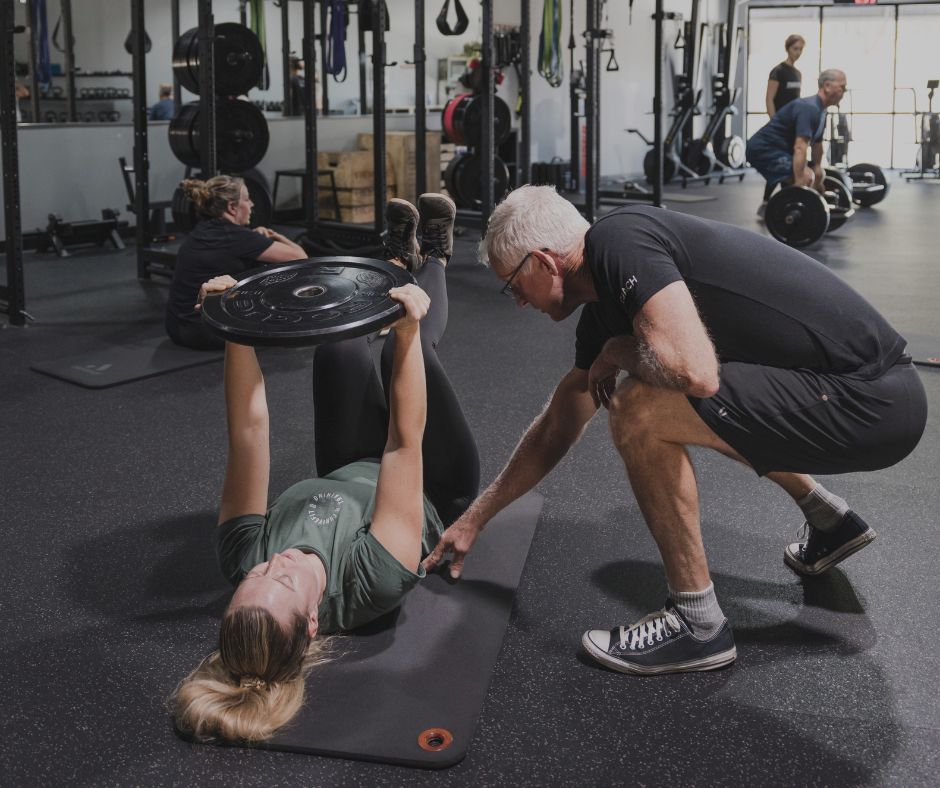
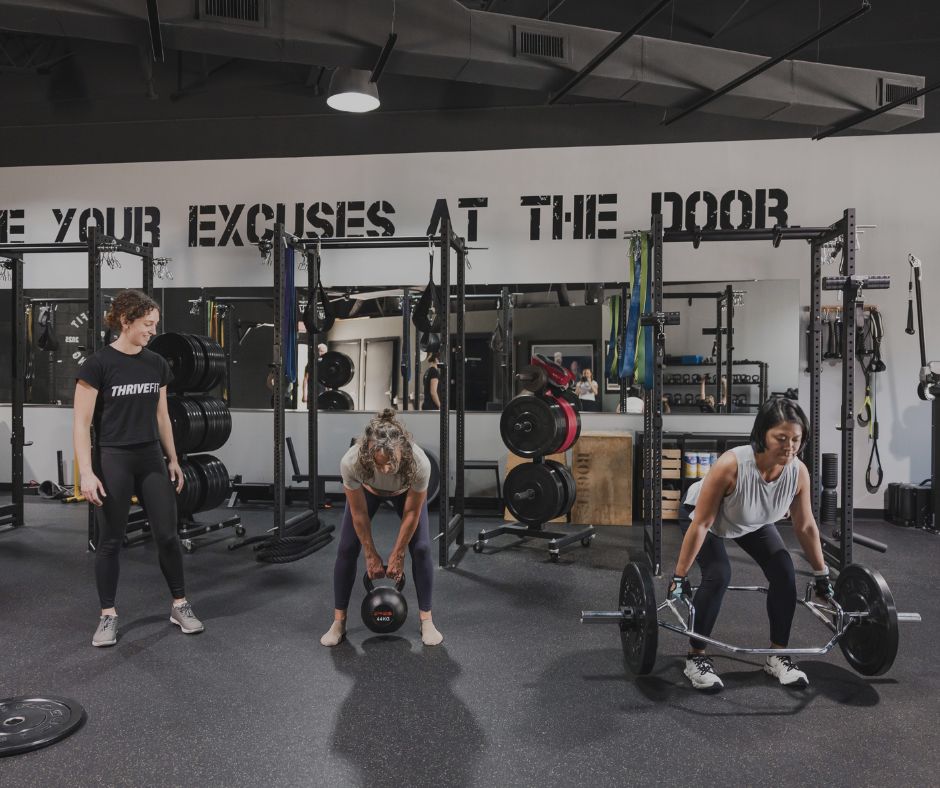
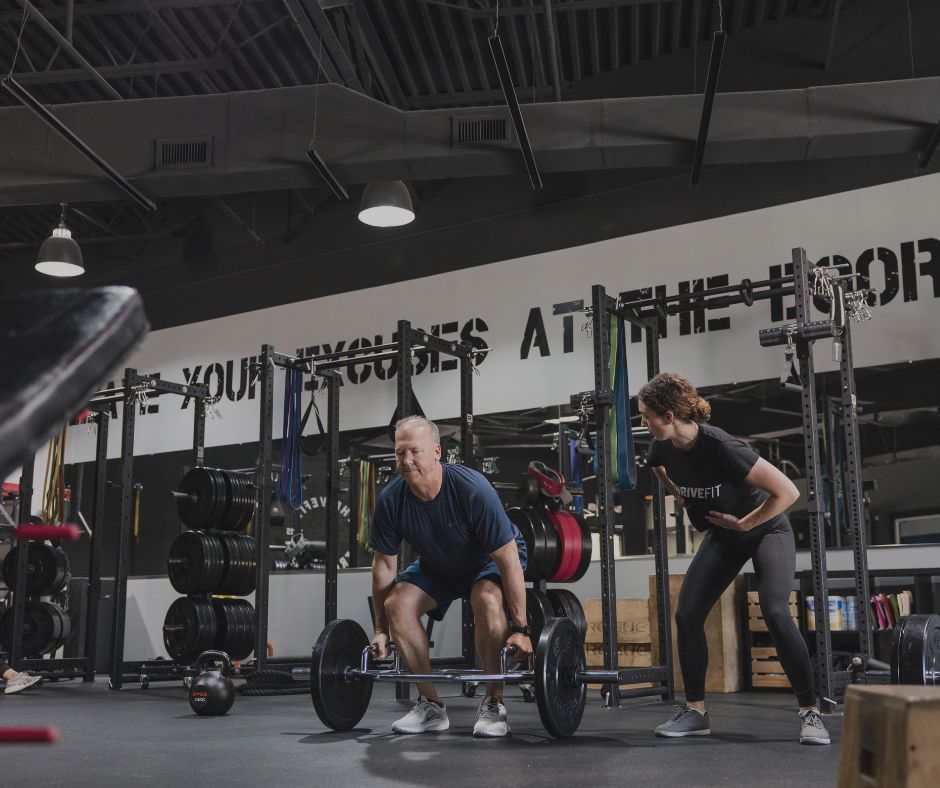
After 50, strength training becomes one of the most important habits you can build for long-term health and independence. As muscle naturally declines with age, staying active through structured strength training helps maintain stability, balance, and mobility — all foundational for healthy aging. For many adults in our Ponte Vedra neighborhood, this is the decade where bone density loss, osteopenia, and osteoporosis become real concerns. Strength work, especially loaded squats, deadlifts, and carries, is one of the most effective tools we have to slow and mitigate bone loss.
Beyond bone health, strength training plays a major role in supporting your metabolism. More muscle means your body uses energy more efficiently, making it easier to manage body composition and reduce stubborn fat gain that often shows up in midlife. Even two to three sessions per week can improve insulin sensitivity, increase resting metabolic rate, and support better overall fitness.
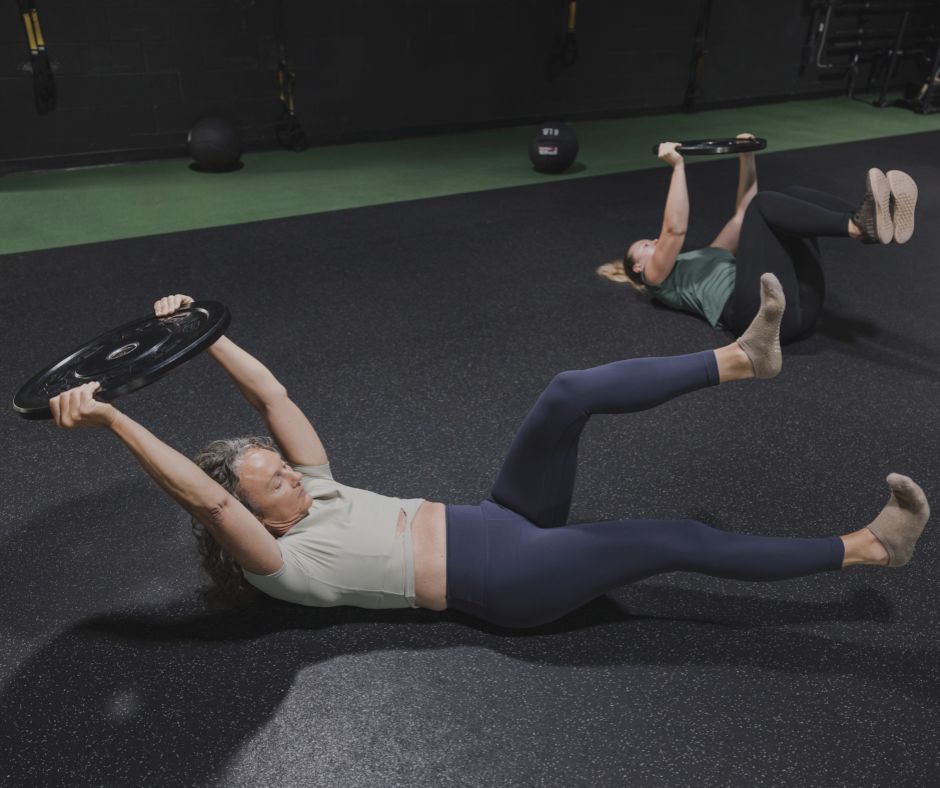
Strength training after 50 also has powerful cognitive benefits. Research shows that activities combining coordination, balance, and light agility work — often integrated alongside resistance training — help improve reaction time, executive function, and overall brain health. Grip strength, another measurable component of strength training, is strongly correlated with longevity and long-term functional ability.
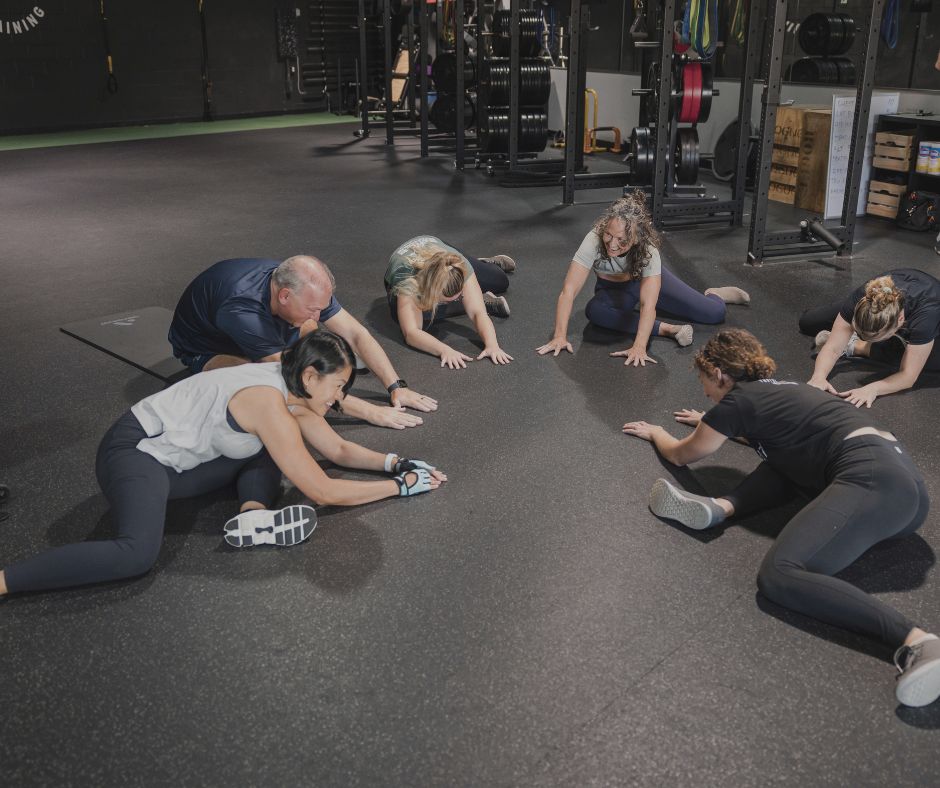
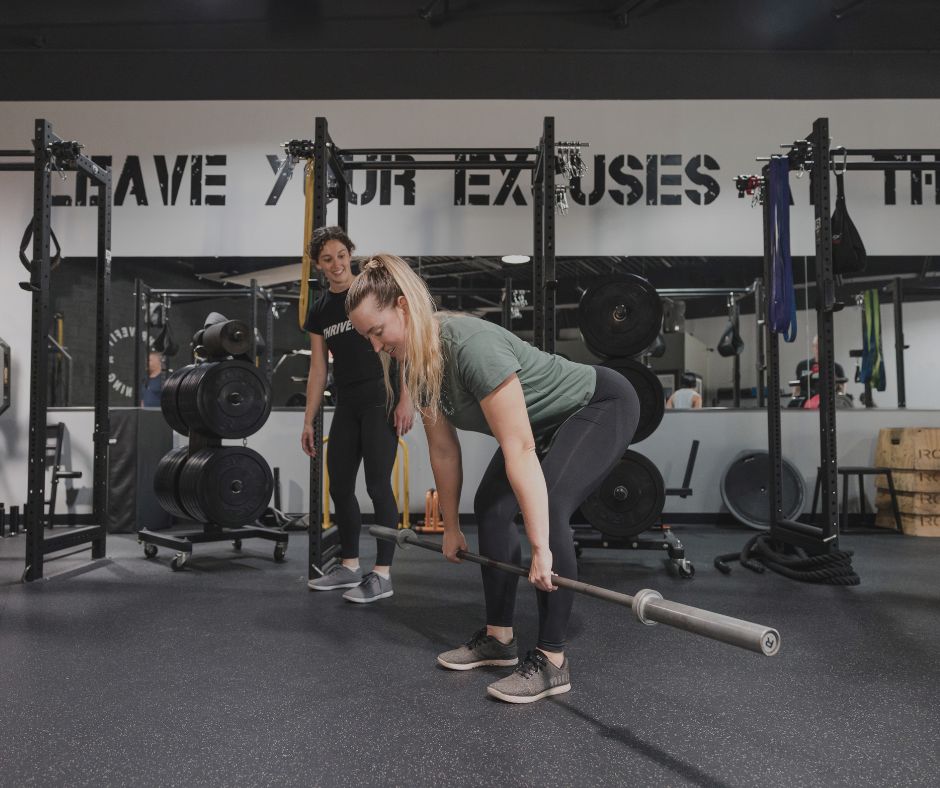
For adults in their 50s, 60s, and beyond, our goal is for you to have the physical capacity to live a full, active life. Whether you prefer working out independently or in a structured environment with a personal trainer, the key is consistency and choosing movements that build strength safely and progressively. Incorporating resistance training into your weekly routine is one of the most reliable ways to stay strong, preserve independence, and support your long-term health.



.jpg)
.jpg)
.jpg)
.jpg)
.jpg)
.jpg)
.jpg)
.jpg)
.jpg)
.jpg)
.jpg)
.jpg)
.jpg)
.jpg)
.jpg)
.jpg)

.jpg)
.jpg)
.jpg)
.jpg)
.jpg)
.jpg)
.jpg)
.jpg)
.jpg)
.jpg)
.jpg)
.jpg)
.jpg)
.jpg)
.jpg)
.jpg)
.jpg)
.jpg)
.jpg)
.jpg)
.jpg)
.jpg)
.jpg)
.jpg)
.jpg)
.jpg)
.jpg)
.jpg)
.jpg)
.jpg)
.jpg)
.jpg)
.jpg)
.jpg)
.jpg)
.jpg)
.jpg)
.jpg)
.jpg)
.jpg)
.jpg)
.jpg)
.jpg)
.jpg)
.jpg)
.jpg)
.jpg)
.jpg)
.jpg)
.jpg)
.jpg)
.jpg)
.jpg)