By clicking “Accept All Cookies”, you agree to the storing of cookies on your device to enhance site navigation, analyze site usage, and assist in our marketing efforts. View our Privacy Policy for more information.
Strength Training vs Cardio: What Actually Matters for Calories, Metabolism, and Long-Term Weight Loss
Learn how strength training vs cardio impacts metabolism, fat loss, and energy, and why ThriveFit combines both for better long-term results for our members in Ponte Vedra and Nocatee.
By
April 1, 2026

Related

One of the most common questions we hear is:
“Should I be doing more cardio to lose weight?”
It’s a fair question. Cardio has long been associated with burning calories and weight loss. But when you look beyond the workout itself, the answer becomes more nuanced.
At ThriveFit, we help members in Ponte Vedra and Nocatee understand that it’s not just about calories burned during a workout. It’s about what your body does after.
Calories Burned During the Workout
Cardio typically burns more calories during the session itself.
- Running, cycling, or high-intensity cardio can burn a high number of calories in a short period of time
- Strength training usually burns fewer calories per session, especially with rest between sets
If you only look at the workout window, cardio appears to be the better option for fat loss.
But that’s only part of the picture.
What Happens After the Workout
This is where strength training begins to separate itself.
Strength training creates a greater after-effect on your metabolism, often referred to as excess post-exercise oxygen consumption (EPOC).
Your body continues to burn more calories after the workout as it:
- Repairs muscle tissue
- Replenishes energy stores
- Adapts to the stress of training
Cardio has a smaller after-effect. Once the workout is over, calorie burn returns closer to baseline more quickly.
The Role of Muscle in Metabolism
Strength training helps build and maintain muscle.
Muscle is metabolically active, meaning it requires energy to maintain. The more muscle you have, the more calories your body burns at rest.
Cardio alone does not provide the same stimulus for maintaining muscle. In some cases, especially with high volumes and low calorie intake, it can contribute to muscle loss, which slows metabolism over time.
Cardio, Cortisol, and Fat Loss
Cardio is not inherently bad, but how much and how often you do it matters.
Long or frequent cardio sessions can elevate cortisol levels, especially when paired with low calorie intake or poor recovery. Elevated cortisol over time is associated with:
- Increased fat storage
- Muscle breakdown
- Lower energy levels
- Slower recovery
This is one reason why many people feel stuck despite doing more cardio.
How We Approach Cardio at ThriveFit
Cardio still has value, especially for heart health and conditioning. The key is how it’s used.
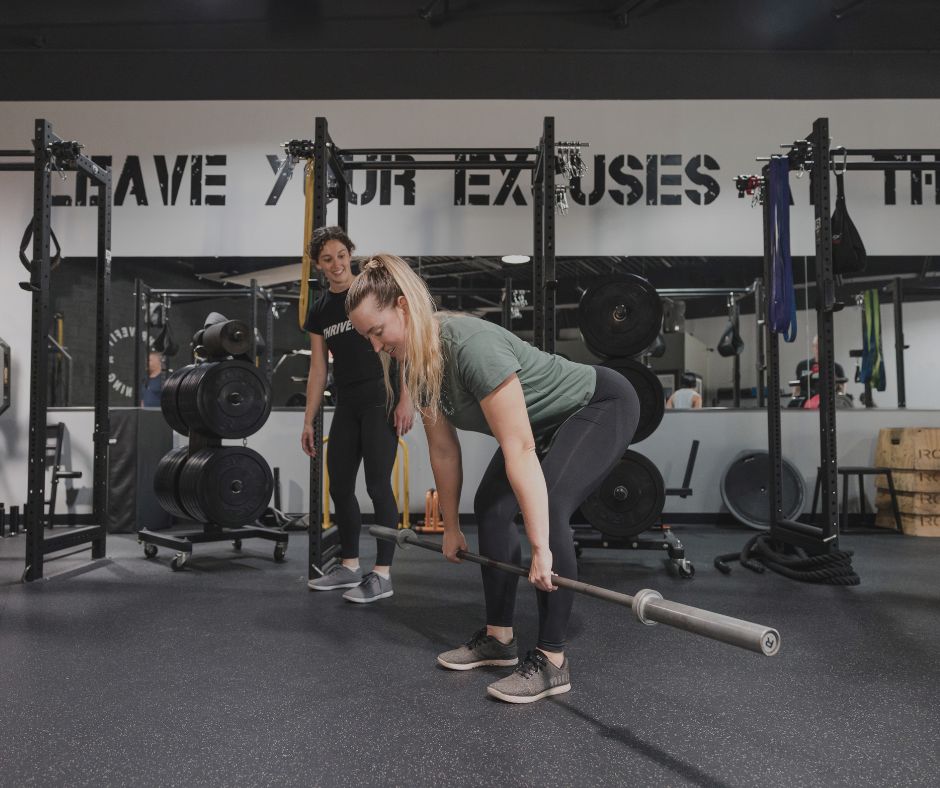
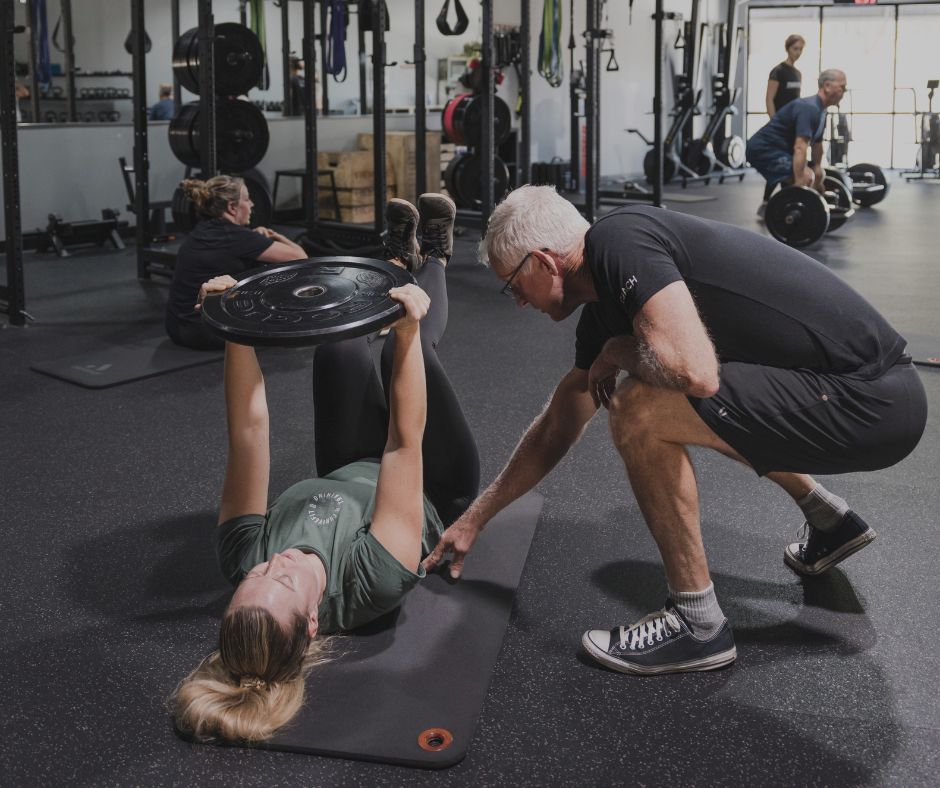
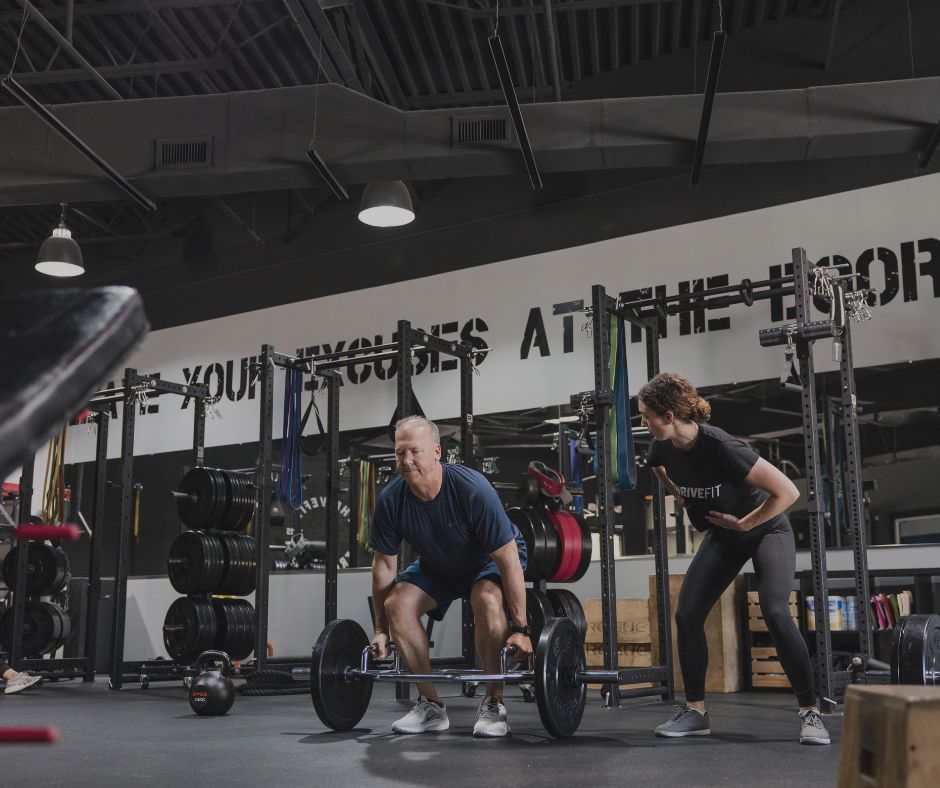
At ThriveFit, we prioritize strength training as the foundation of every session. At the end of each workout, we include a short burst of high-intensity conditioning, which we call Burn.
This approach allows you to:
- Get the benefits of cardio without excessive volume
- Elevate heart rate and improve conditioning
- Support fat loss without compromising muscle
By keeping cardio short and intentional, we maximize its benefits while minimizing its potential downsides.
Energy, Recovery, and Sustainability
Another important difference is how each type of training affects your energy and recovery.
Excessive cardio can:
- Increase fatigue
- Elevate stress levels
- Be difficult to recover from consistently
Strength training, when programmed correctly, tends to:
- Improve energy levels
- Support joint health
- Build resilience
- Be more sustainable long term
This matters because consistency drives results.
What This Means for Long-Term Weight Loss
Short-term weight loss is often driven by calorie burn.
Long-term results are driven by:
- Muscle mass
- Metabolic health
- Consistency
- Sustainable habits
Strength training supports all of these.
Cardio can complement your program, but relying on it as the primary strategy often leads to plateaus.
A Smarter Approach to Fitness
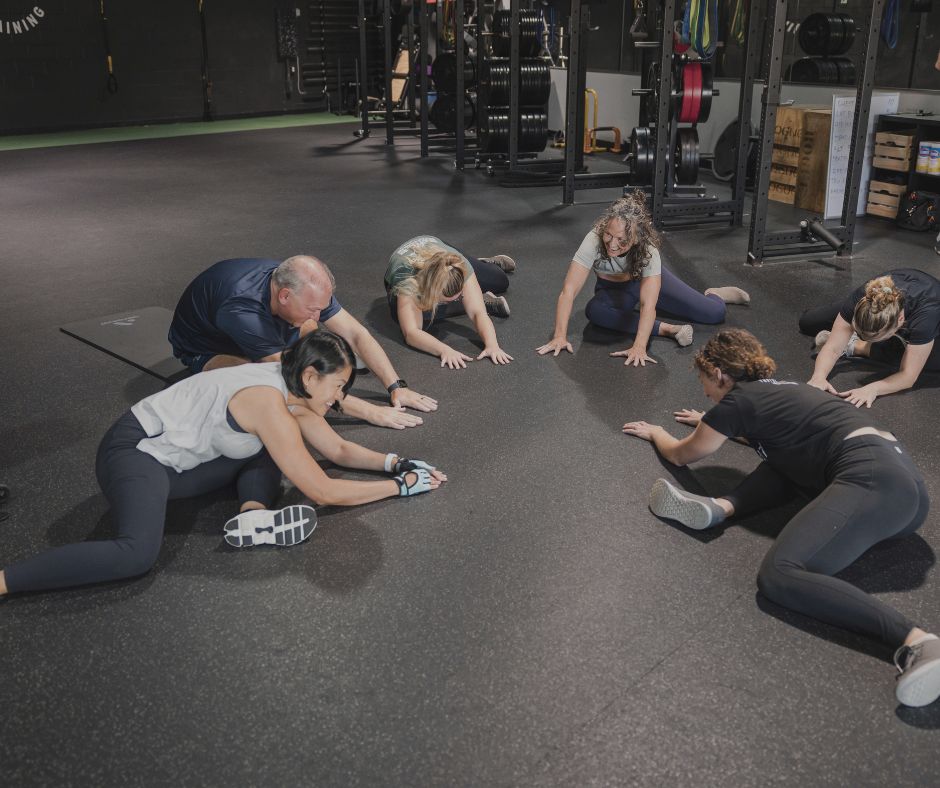
At ThriveFit, our programming is built around progressive strength training, supported by mobility work and strategic conditioning.
For our members in Ponte Vedra and Nocatee, this means:
- Building muscle to support metabolism
- Training in a way that is sustainable
- Improving strength, balance, and mobility
- Using cardio intentionally, not excessively
When strength training is the foundation, fat loss becomes a natural outcome of a stronger, healthier body.
The Bottom Line
Cardio burns more calories during the workout.
Strength training changes how your body uses energy long after.
When you combine strength training with short, intentional conditioning, you get the best of both without working against your goals.
At ThriveFit, that balance is built into every session so you can train smarter and see lasting results. Join us for a free session today to experience the difference.





.jpg)
.jpg)
.jpg)
.jpg)
.jpg)
.jpg)
.jpg)
.jpg)
.jpg)
.jpg)
.jpg)
.jpg)
.jpg)
.jpg)
.jpg)
.jpg)
.jpg)

.jpg)
.jpg)
.jpg)
.jpg)
.jpg)
.jpg)
.jpg)
.jpg)
.jpg)
.jpg)
.jpg)
.jpg)
.jpg)
.jpg)
.jpg)
.jpg)
.jpg)
.jpg)
.jpg)
.jpg)
.jpg)
.jpg)
.jpg)
.jpg)
.jpg)
.jpg)
.jpg)
.jpg)
.jpg)
.jpg)
.jpg)
.jpg)
.jpg)
.jpg)
.jpg)
.jpg)
.jpg)
.jpg)
.jpg)
.jpg)
.jpg)
.jpg)
.jpg)
.jpg)
.jpg)
.jpg)
.jpg)
.jpg)
.jpg)
.jpg)
.jpg)
.jpg)
.jpg)